easyJet to introduce new ultra-lightweight next generation seats to further boost operational efficiency and increase legroom

easyJet is today announcing an order of brand new lighter weight seats that are expected to be over 20% lighter than those used currently today while also offering up to two inches additional legroom for customers.
-
The new seats will be installed from 2028 on easyJet’s new aircraft deliveries offering up to 2 inches additional legroom and enhanced comfort for customers
-
easyJet will be the first airline to receive the seats on new aircraft deliveries of Airbus A320neo and A321neo aircraft from 2028, across 237 aircraft orders
-
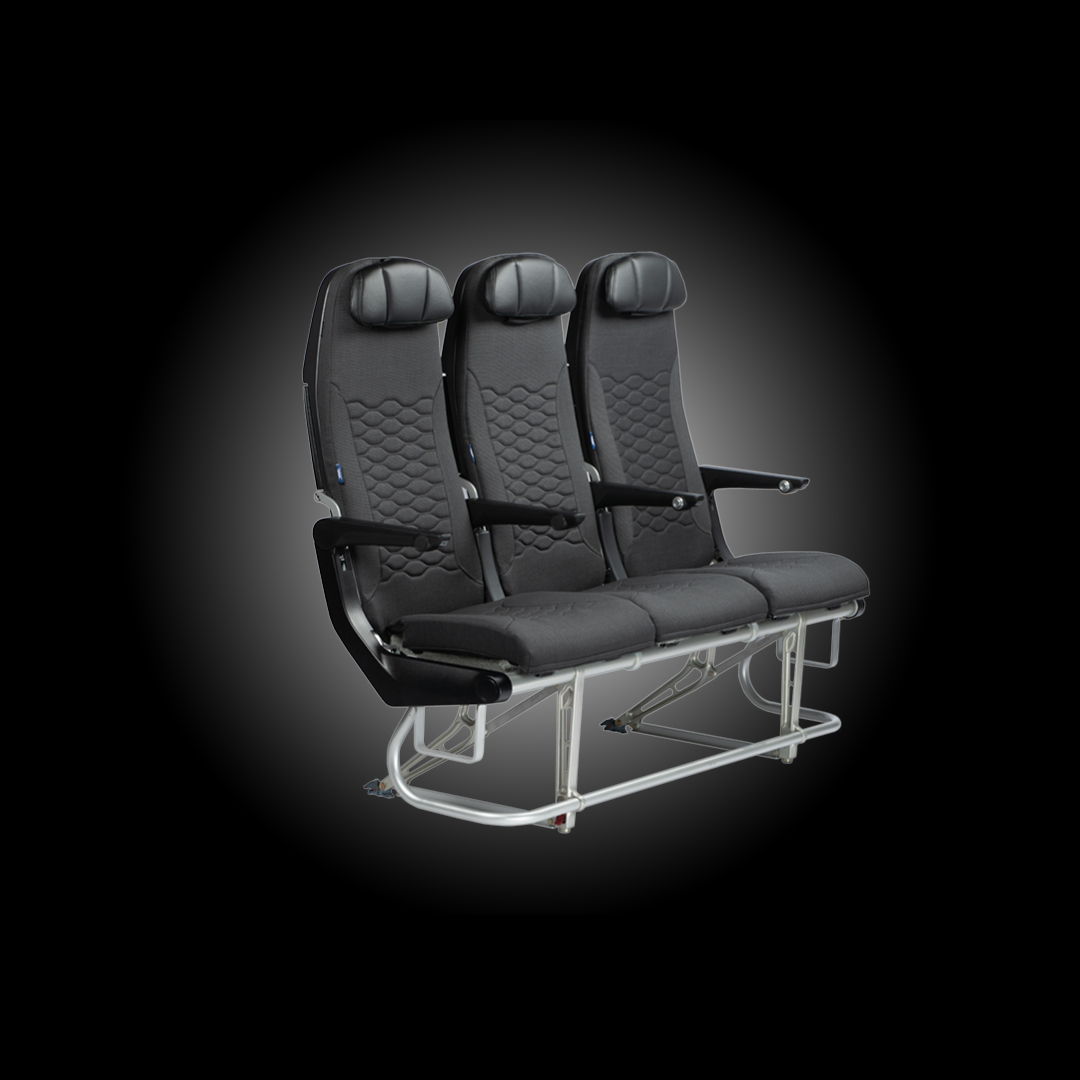
The new ultra-lightweight Kestrel seat from Mirus Aircraft Seating – which is over 20% lighter than seats currently used – will help to deliver savings of 40,000 tonnes of Co2 annually
-
Robust design and use of low maintenance and recyclable materials will offer extended lifespan, meaning less environmental impact over the long term
-
This upgrade is part of a suite of ongoing efficiency measures easyJet employs to reduce its operational impact such as expanding its range of NEO aircraft and tech upgrades in the air and on the ground
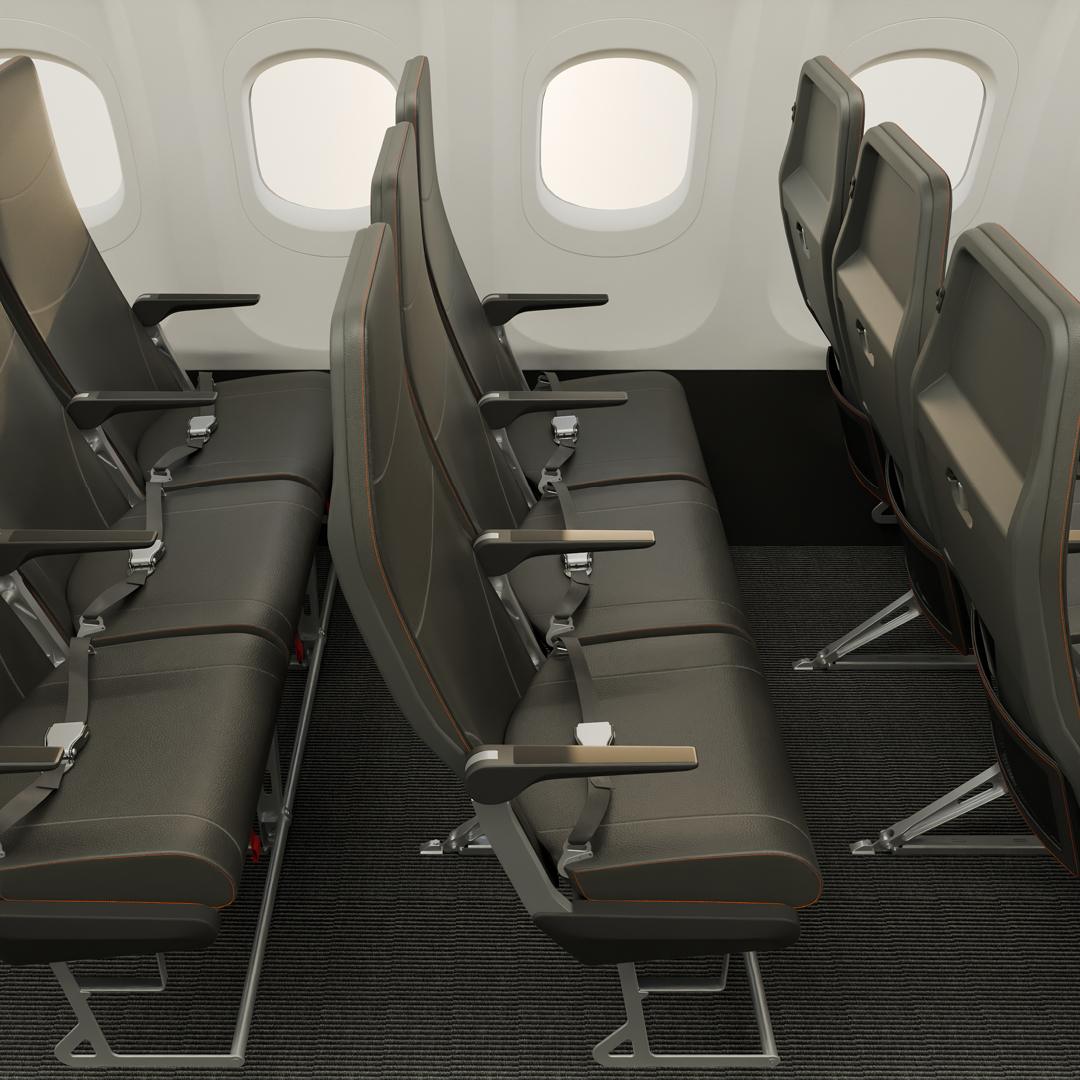
The next-generation Kestrel economy seats from British manufacturer Mirus Aircraft Seating will feature across easyJet’s future Airbus A320neo and A321neo fleet. The deal, which covers future aircraft deliveries from 2028, marks another positive step in easyJet’s ongoing strategy to reduce emissions and fuel burn, while improving operational efficiency.
The Kestrel is the lightest seat in its class thanks to its advanced lightweight structure, which will lead to a weight saving of up to 500kg per aircraft for larger models in easyJet’s fleet – estimated to deliver a combined annual fuel saving of over 12,936 tonnes, equivalent to over 40,513 tonnes of Co2.
Designed specifically for short-to medium-haul operations, the Kestrel seat offers industry-leading passenger space and comfort. Its ergonomic design allows passengers to enjoy improved legroom without changing seat pitch itself, while its unique pre-reclined structure enhances comfort which ensures improved knee and shin clearance for passengers.
The Kestrel seats have also been engineered with sustainability and lifecycle performance in mind. Its low part count and simplified design reduce maintenance requirements, while its robust structure ensures long-term durability in service. At end of life, the seat is approximately 98% recyclable, supporting circularity and reducing waste.
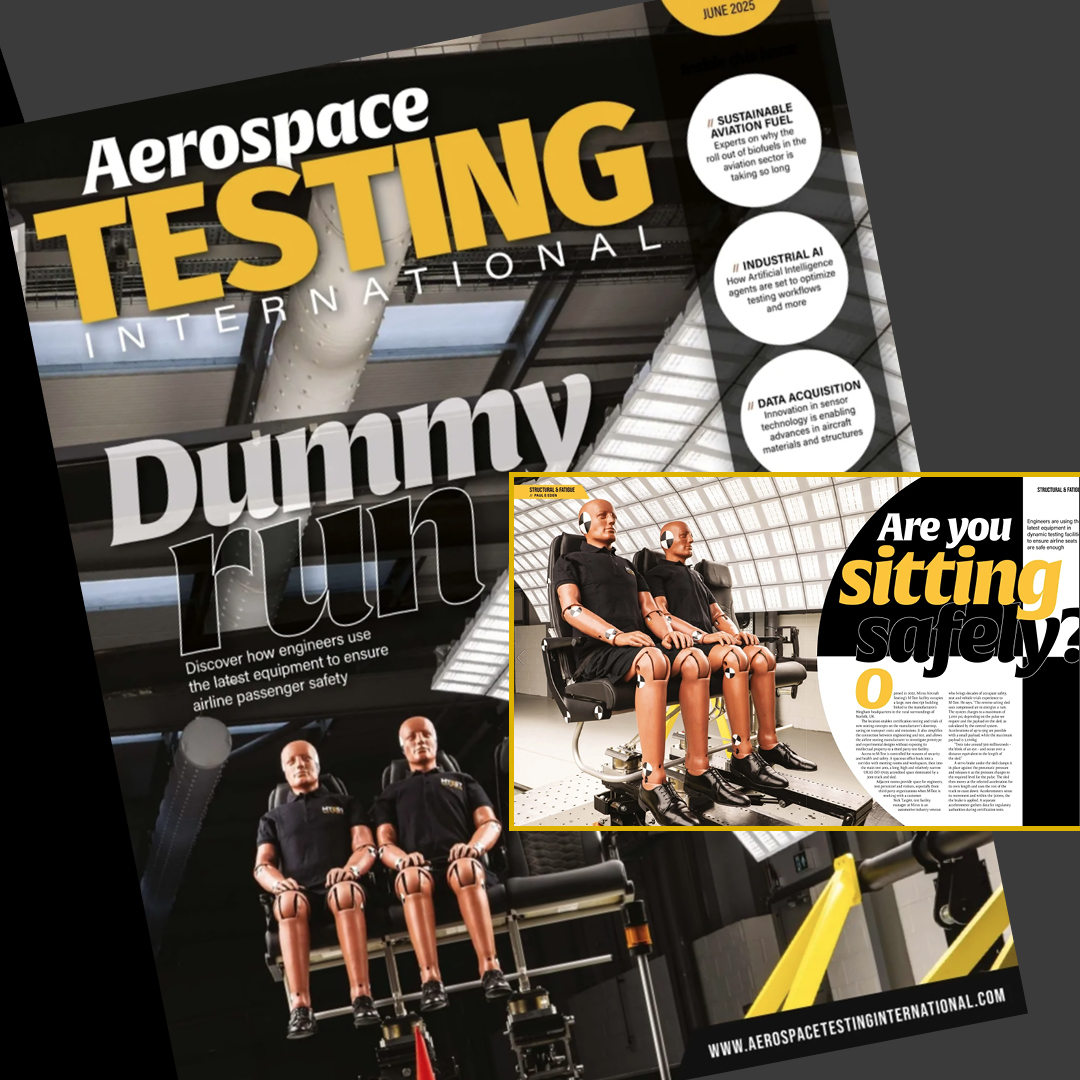
The seats have been developed and tested at Mirus’ UK-based MTEST facility, one of the largest commercial testing centres of its kind, which reduces time, cost and carbon emissions by eliminating the need to transport seats for external certification.
“Mirus is incredibly proud that easyJet, the UK’s largest airline and one of the world’s leading carriers, has placed its trust in us for what represents one of the largest single-model aircraft seat awards ever. This landmark agreement marks a defining moment for Mirus and reflects our shared commitment to enhancing passenger experience and comfort, while delivering sustainability and significant operational cost savings through reduced fuel burn and CO₂ emissions.”
Ben McGuire, Chief Executive Officer, Mirus
"We are delighted to be introducing the Mirus Kestrel seat across our future fleet. This investment supports our continued focus on making our operations as efficient as possible, capitalising on small incremental gains that result in meaningful reductions in fuel burn and Co2 emissions.
David Morgan, Chief Operating Officer, easyJet
“On top of the sustainability benefits, the additional legroom and enhanced comfort these seats will provide will also deliver an improved onboard experience for our customers which we know they’ll love.”
Alongside fleet renewal, easyJet continues to focus on reducing aircraft weight through a series of practical, engineering‑led initiatives – having recently rolled out a pioneering lower‑weight paint system that’s being gradually rolled out across the fleet and removing heavy flight manuals by fully digitising them. By scrutinising every element of the aircraft and operation, easyJet is delivering incremental weight savings that reduce fuel burn and emissions to drive meaningful change.
Maximising efficiencies to lower operational impact: The seat upgrade is part of a wide range of initiatives easyJet is deploying to maximise efficiencies and combine many marginal gains into broader emissions reduction. These techniques include among others:
NEO fleet expansion: A critical component of easyJet’s strategy in the near to medium term is the continuous renewal of its fleet with the latest generation of aircraft. The airline is proactively phasing out its oldest aircraft (A319 & A320ceos) and replacing them with newer, highly efficient, models from the NEO family (A320neo and A321neo). Over a quarter of the fleet is currently comprised of these new aircraft, which significantly reduces emissions and minimises fuel burn. These NEO aircraft offer substantial benefits, offering at least 13% more efficiency and reducing noise by 50%.
Sharklet upgrades: easyJet is enhancing its A320ceo fleet with advanced sharklets by summer 2026, a crucial medium-term solution developed in partnership with Airbus. Sharklets are blended winglet devices installed at the tips of the wings which significantly reduce drag by weakening wingtip vortices, leading to an annual saving of approximately 308 tonnes of fuel and 970 tonnes of Co2 per aircraft, delivering immediate and measurable reductions across the fleet.
Taxi Management Optimisation: This brings together Single‑Engine Taxiing, which cuts fuel use and carbon emissions during ground movements, with data‑driven taxi‑time calculations that ensure only the fuel needed for taxiing is loaded, reducing unnecessary weight, cost and emissions
Lighter paints: In 2025, easyJet announced the adoption of a new lower-weight paint system, which is expected to achieve fuel savings of 1,296 tonnes and CO₂ reductions of 4,095 tonnes once fully implemented across the entire fleet by 2030. easyJet is the first airline to test this paint solution developed by Mankiewicz Aviation Coatings.
APU Reduction: We have equipped all contact stands at Milan Malpensa Airport with Pre-Conditioned Air units, 16 in total. These units enable our pilots to switch the APU off for the majority of the turnaround, regardless of temperature enabling significant APU savings, with an average of 2kg of fuel and 6kg of C02 per minute.
FANS–C: We invested in Airbus‑developed FANS‑C navigation software across our A320neo and A321neo fleet, enabling aircraft and air traffic control to share precise, real‑time flight trajectory data. This improves route planning and communication, helping reduce congestion, fuel burn, emissions and delays, while supporting more punctual operations as European airspace becomes increasingly busy.
SpaceFlex upgrades: Starting 2026 easyJet is enhancing a number of its 180-seat A320ceo aircraft with SpaceFlex rear galley and lavatory arrangements, a highly space efficient cabin enabler developed by Airbus. SpaceFlex facilitates the installation of an extra row of seats on each aircraft, helping further reduce easyJet’s carbon intensity per passenger with no loss of passenger comfort.
Read the full story here>> easyJet to introduce new ultra-lightweight next generation seats to further boost operational efficiency and increase legroom | Mediacentre | easyJet